
Fractured Futures: Techno-Synthetic VS. Earth-Integrated
Trend Forecasting for the Distant Future
The Ask:
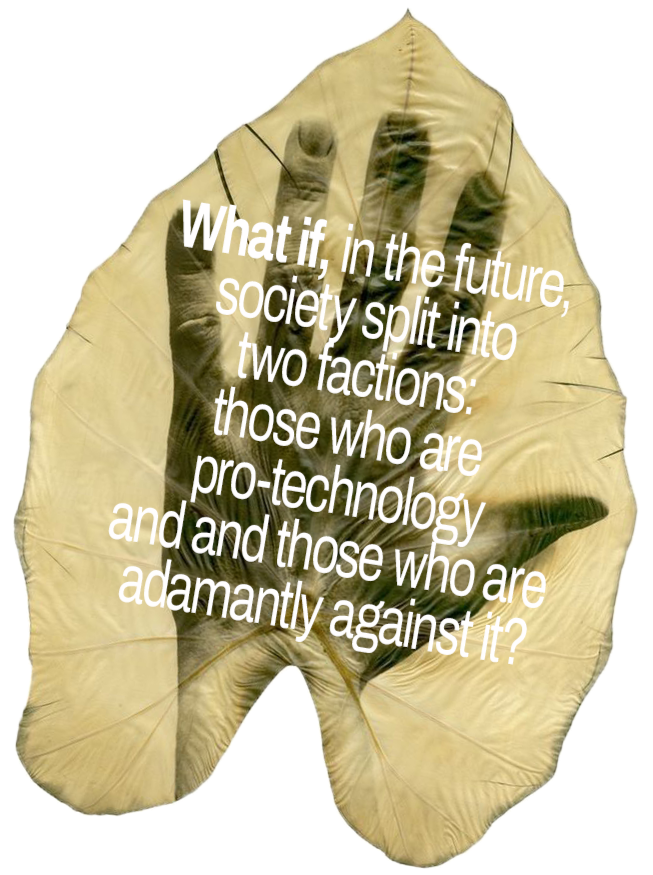
Write an article forecasting a trend far into the future, based on a hypothetical question.
My Focus:
I chose to build my forecast in a feasible but distant future world that has split into to factions based on their opinions on technology. As someone who has always loved science-fiction and dystopian/utopian stories, it seemed only fitting to craft my future trend forecast in a future that reflected both that interest and today’s rapid advancements and integration of technologies into the human life. We, as a society, are growing increasingly polarized when it comes to the topic of how intertwined we want to be with artificial intelligence and similar innovations.
My article takes this polarity to the extreme, examining how a technological divide in humanity could influence fashion and consumption.
Experiential Research
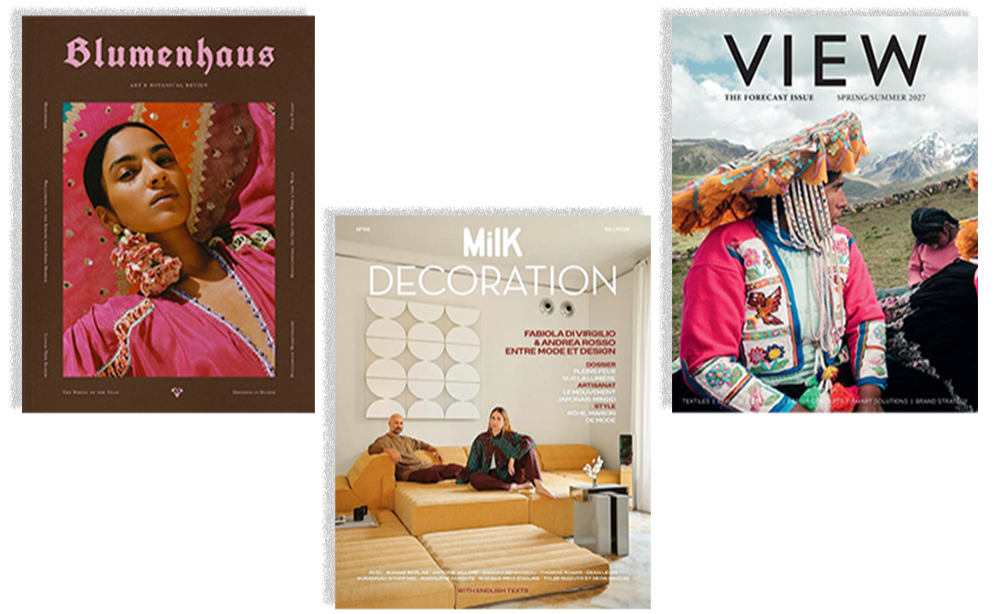
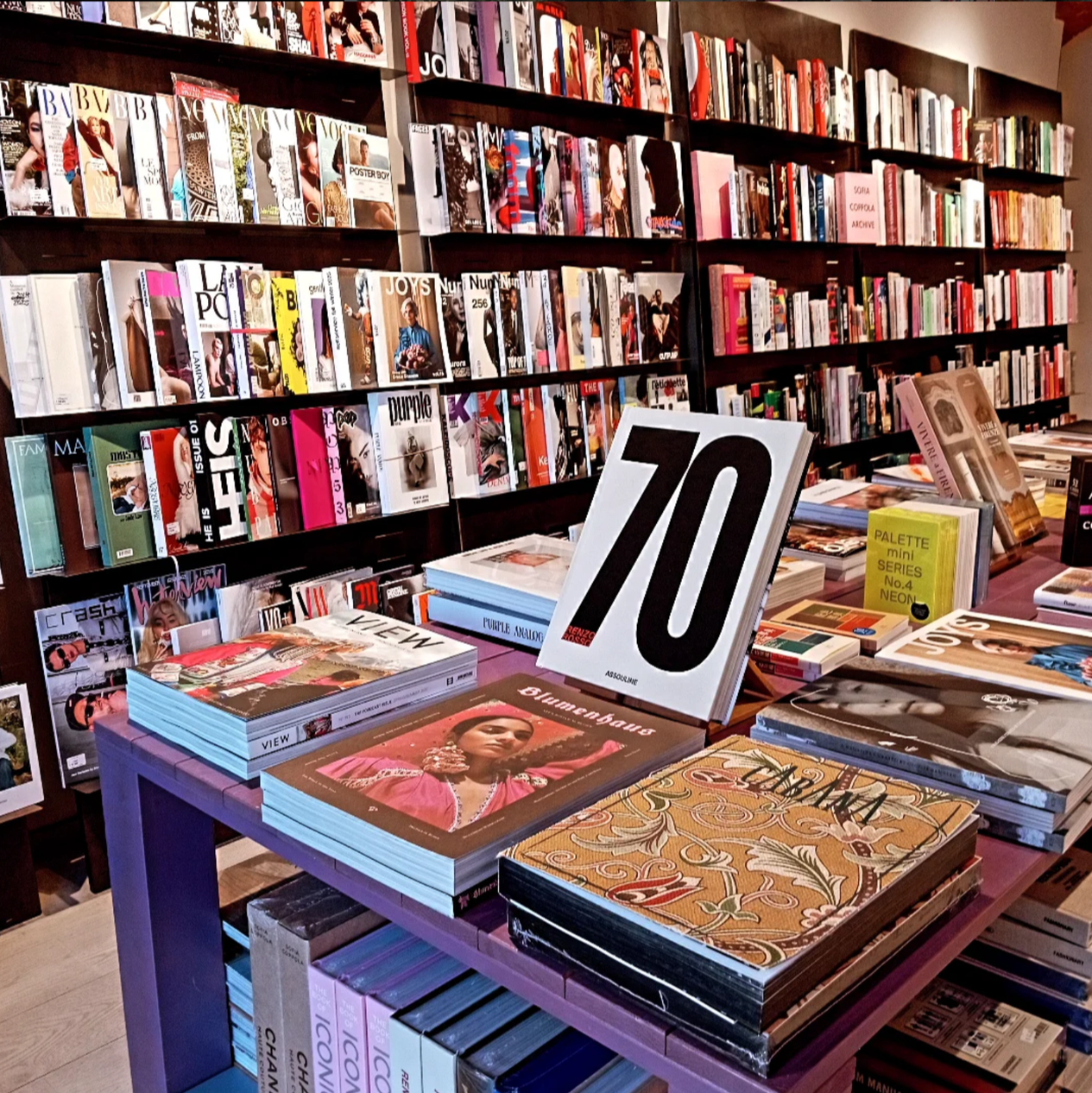
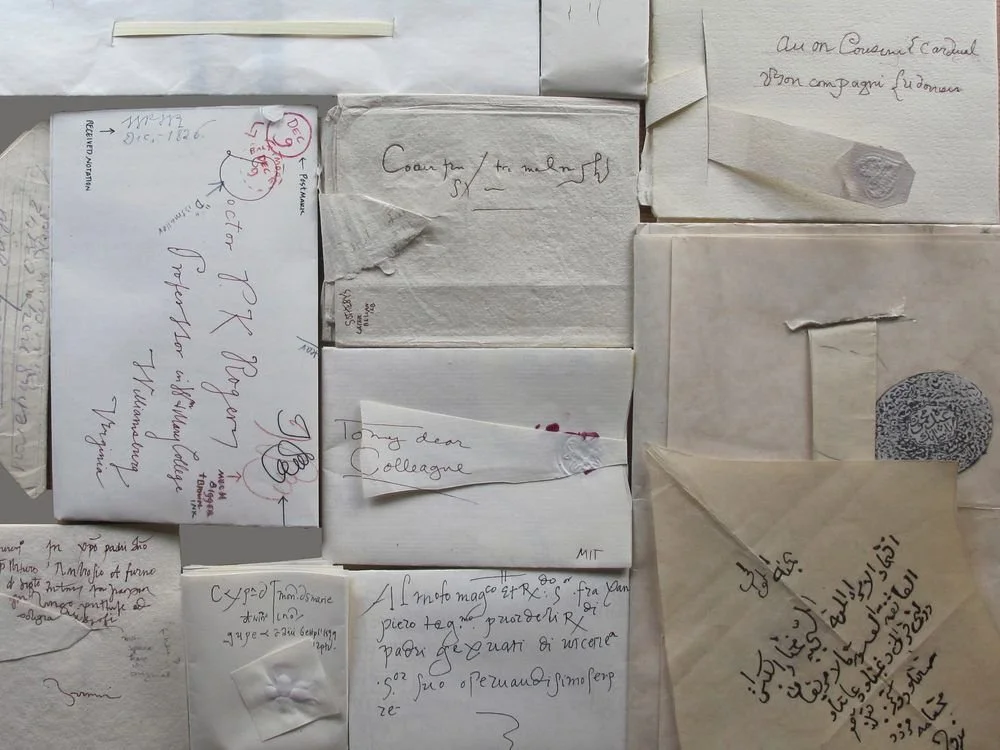
To spark inspiration and broaden our knowledge of trend forecasting materials past major platforms like WGSN, our professor took us to Fashion Room Italy- a bookstore specializing in fashion and design trend forecasting materials with locations in Florence and Prato. The experience introduced me to new sources of inspiration & wisdom, such as:
The Process .𖥔 ݁ ˖
The Process .𖥔 ݁ ˖
Influences:
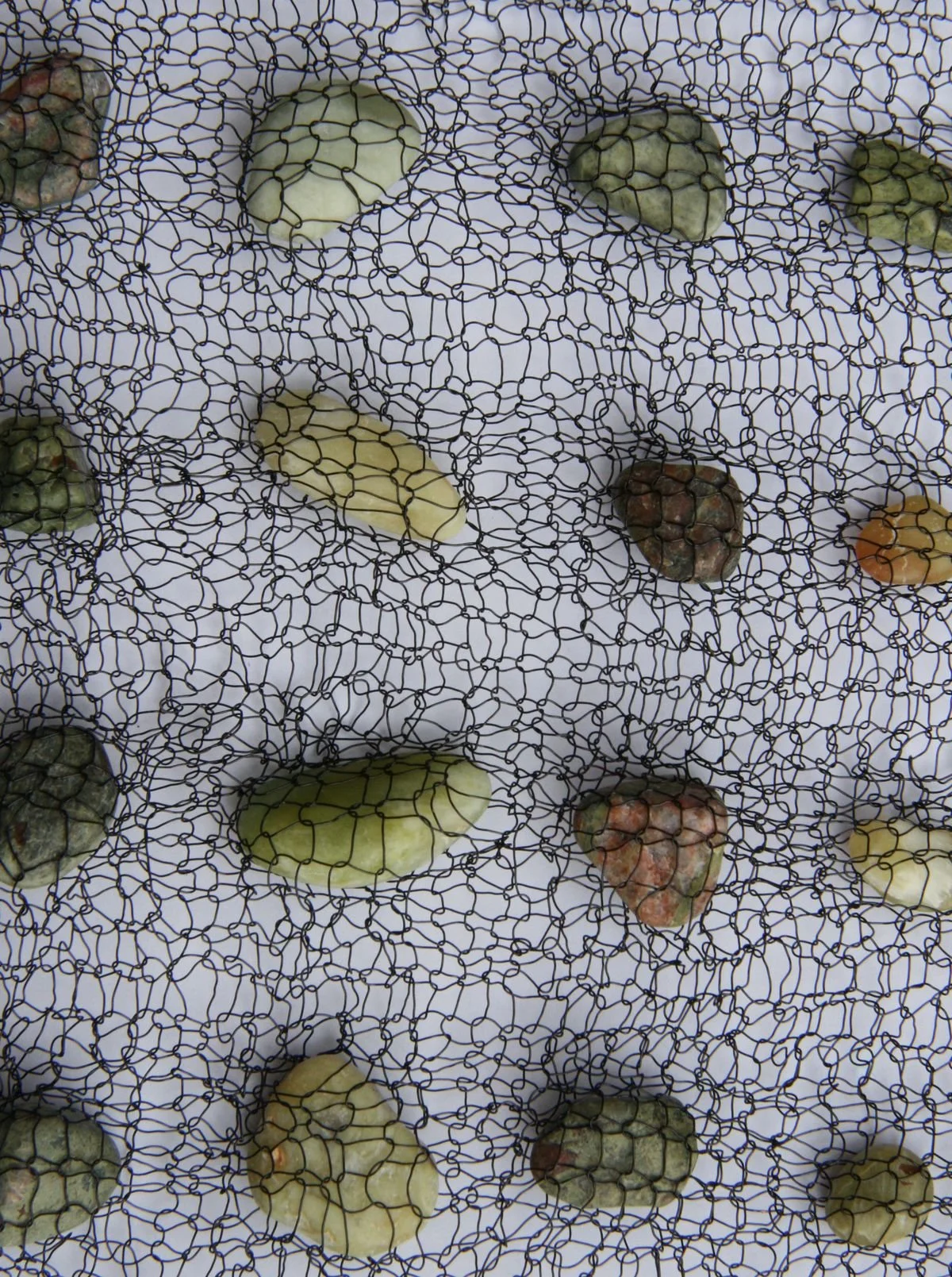
Due to overproduction and the popularity of an overly-consumptive mindset, the Earth already holds enough apparel to clothe approximately the next 6 generations. This fact informed the foundation of my forecast concept. I interwove several of my interests—AI, futuristic technology, sustainable fashion, and recycled or nature-based textile innovations—to build a vision rooted in both realism and possibility.
Here is a quote from my final article:
“As a young-adult who grew up attending nature camps and teaching toddlers the basics of marine-biology, I am painfully aware of the fashion industry’s wasteful-nature. As an upperclassman fashion student, this reality weighs heavily on me. I have always speculated that in the coming decades, certain sub-sects of humanity will begin to radically separate themselves from society, as a form of environmental protest and out of desire to escape technological surveillance.”
Research:
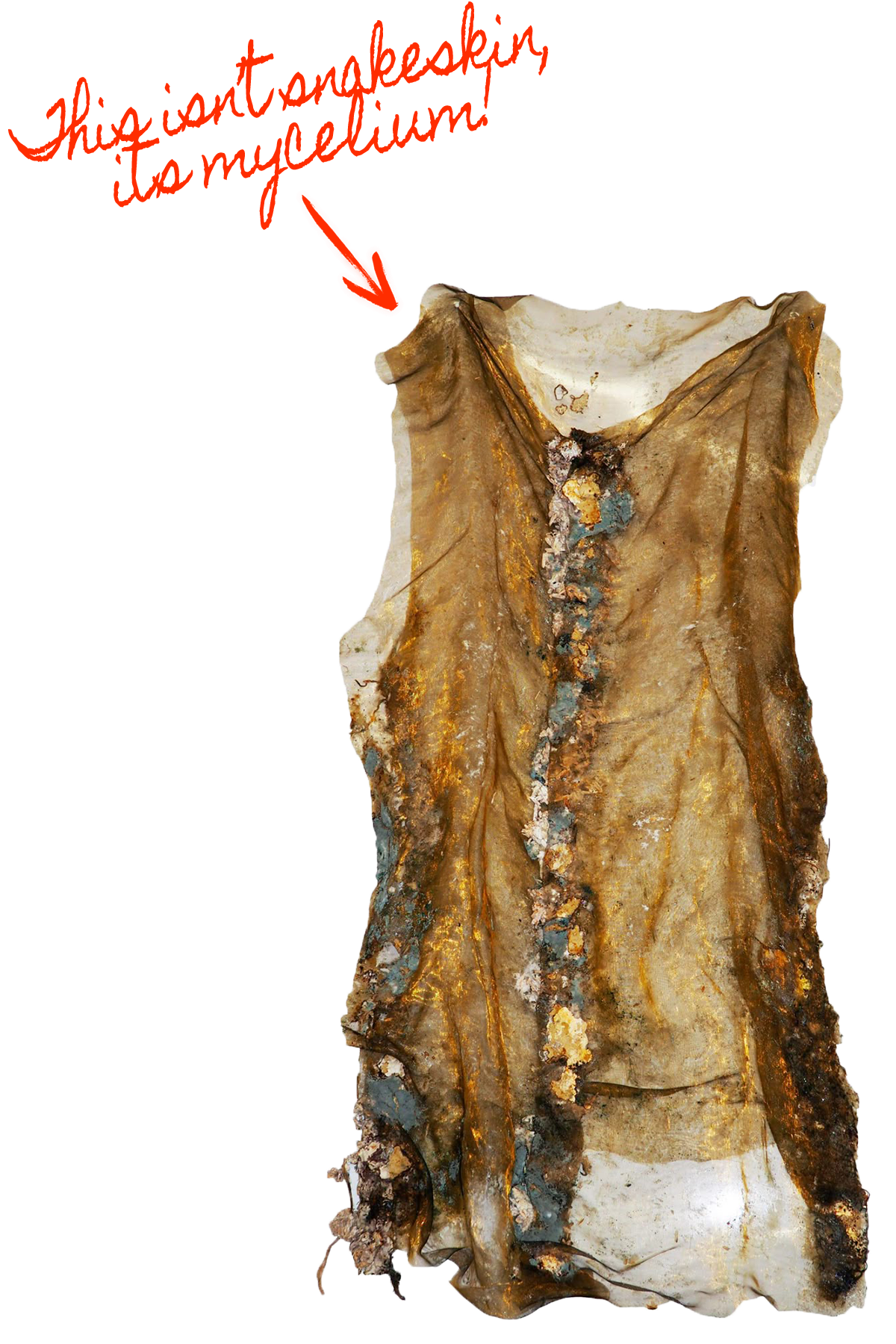
I began compiling visualizations of how a world that created clothing items only from nature and discarded items could still participate in fashion, drawing inspiration from Indigenous production techniques— hand-weaving natural fibers, repurposing Pepsi-Cola caps and broken ceramics, embellishing with shells and bits of coral. I researched designers who had begun developing bio-materials.
The Skills:
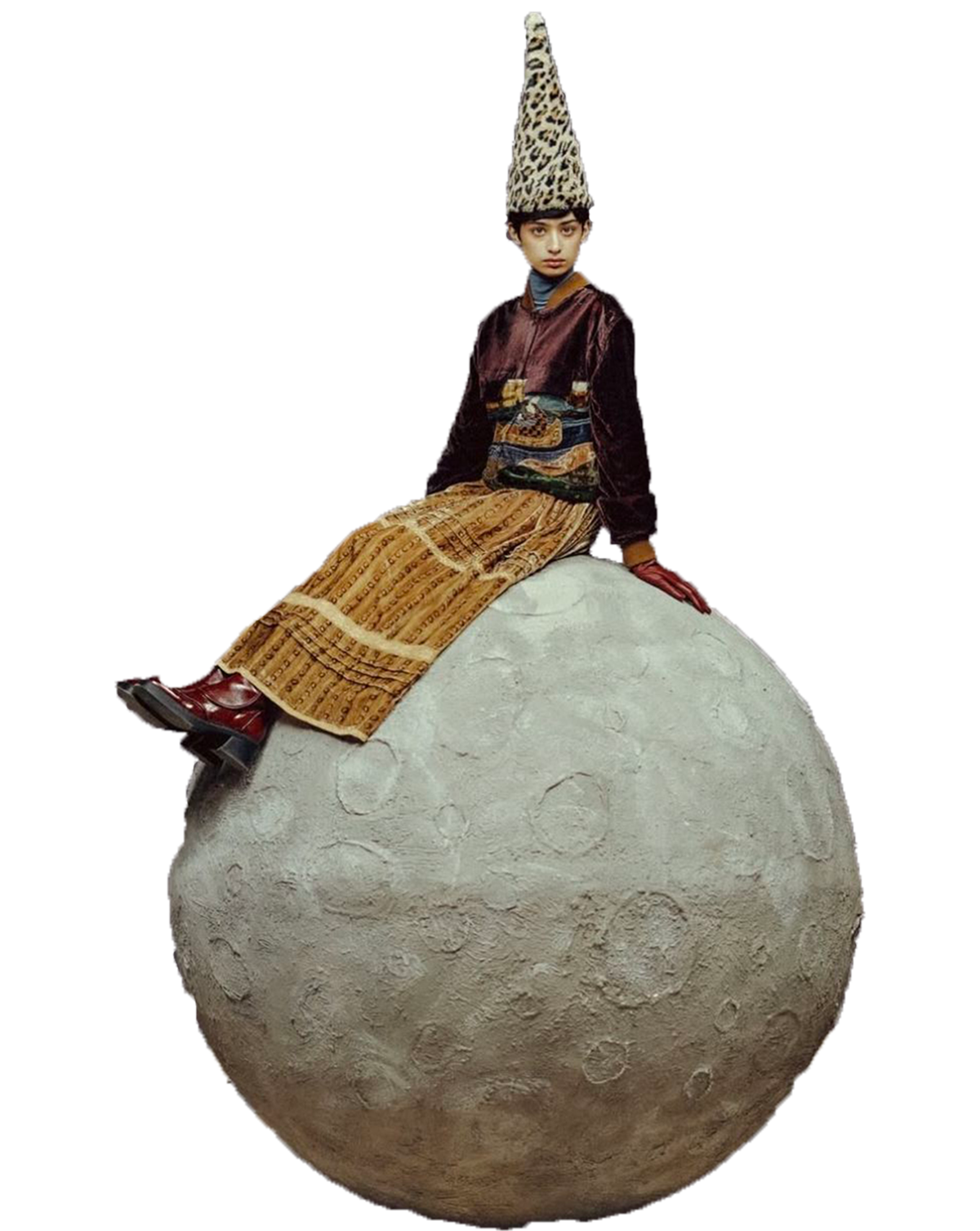
Writing

Research
Analysis
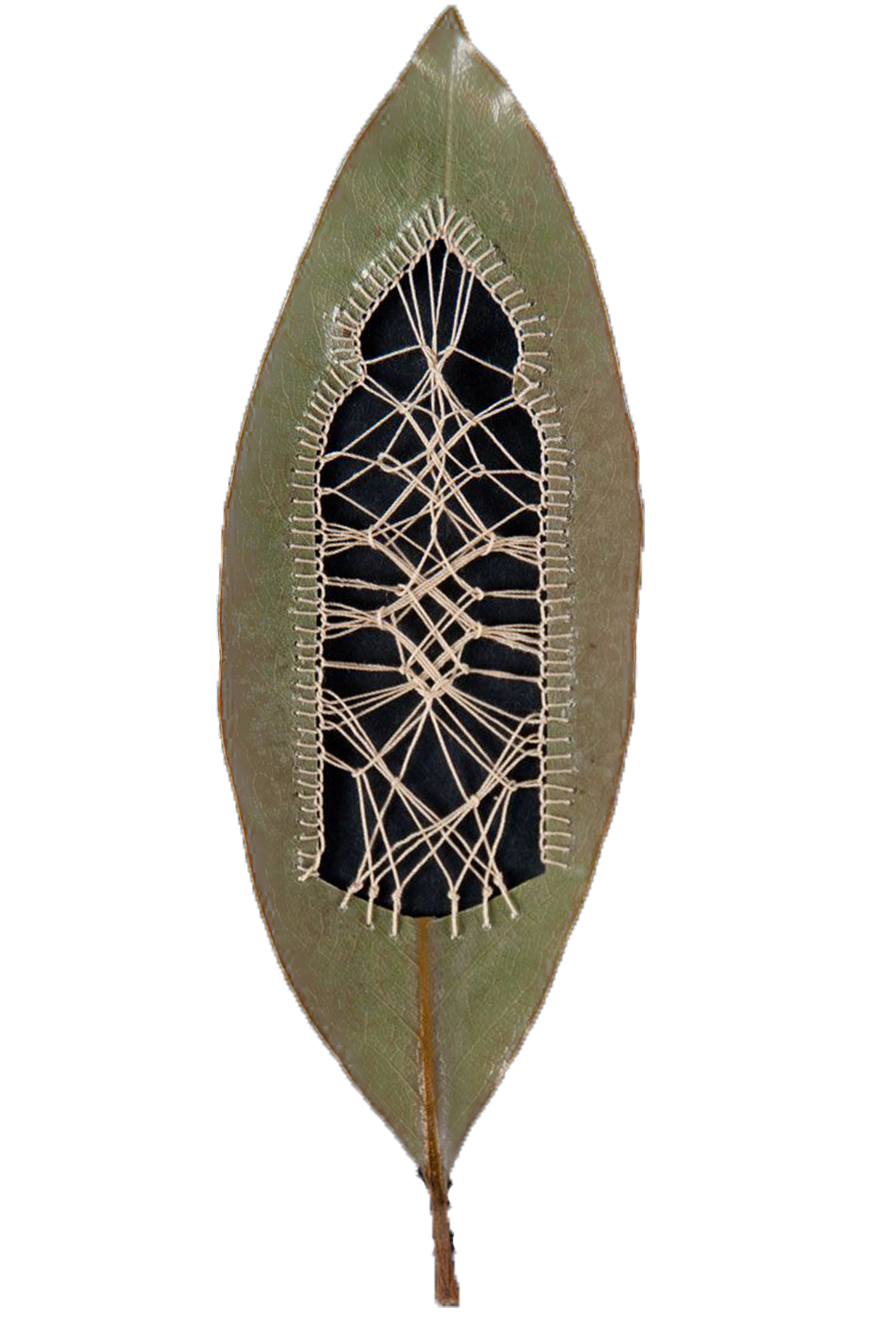
Image Curation
World Building
The Outcome:
Throughout the semester, our trend forecasting work focused on near-future predictions—typically projecting a season to a year ahead. This final project pushed us far beyond that timeline, challenging us to think years into the future and analyze how shifts in society, culture, and collective psychology might shape what comes next.
It became an invaluable exercise in narrative thinking, bringing together the skills we’d built throughout the course: image curation, understanding the emotional logic behind color palettes, and anticipating the next phases of textile and technological innovation.
The assignment was also framed as a competition: my professor would select one standout article to be presented to The Fashion Room Italy for potential publication. With my background in writing—and my naturally competitive streak—I poured everything I had into the piece. In the end, my article was chosen

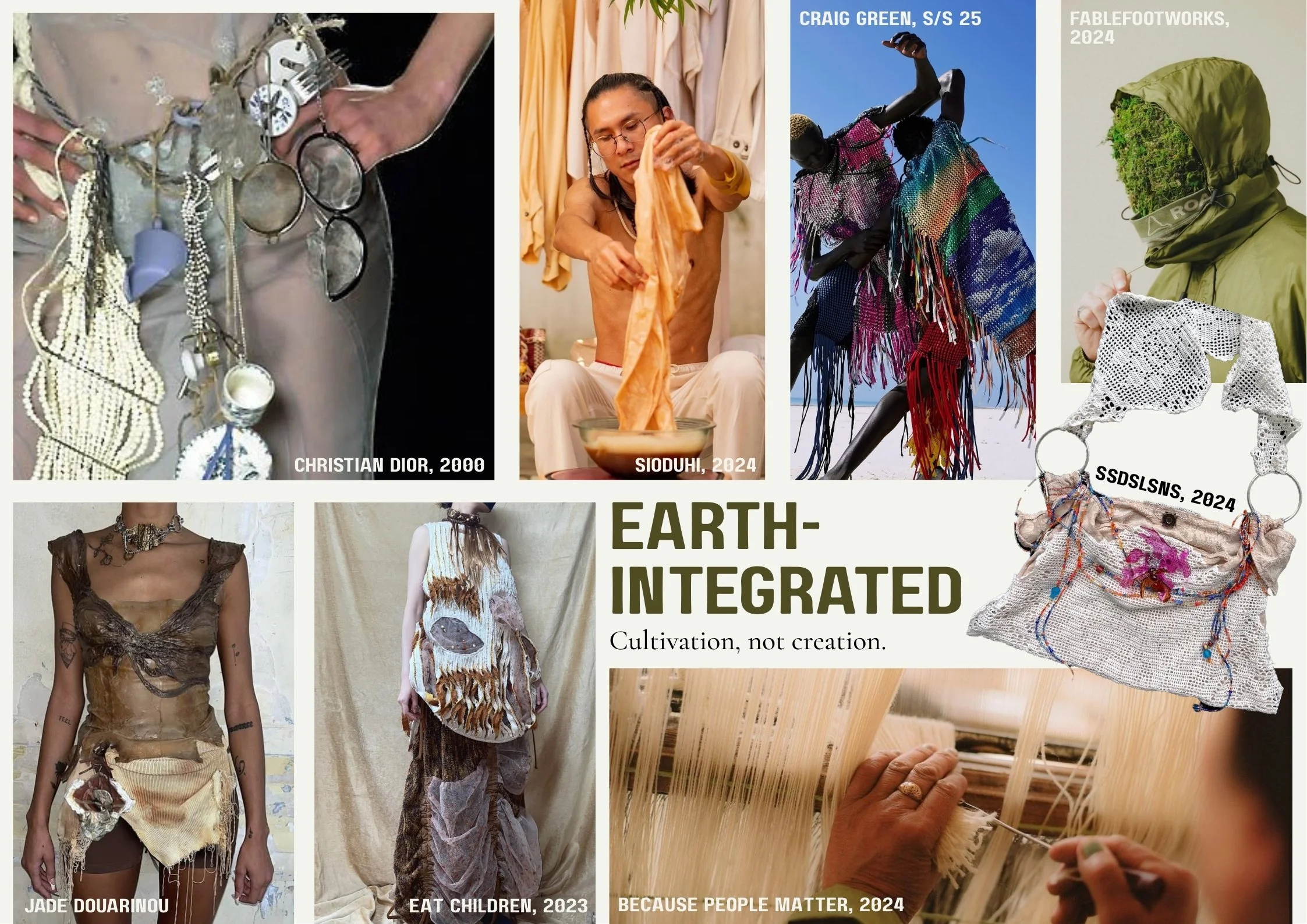
I find the forecast especially relevant now, given how sharply divided our society is becoming, particularly around the rise of artificial intelligence. According to the Pew Research Center, “The public and experts are far apart in their enthusiasm and predictions for AI. But they share similar views in wanting more personal control and worrying regulation will fall short.” Their survey found that 50% of U.S. adults are more concerned than excited about AI’s growing presence in daily life, only 10% are more excited than concerned, and 38% feel equally both.